
Ruvin Bun, who was born in Pasubatė, in the Rokiškis region, was a young Jewish man who was a volunteer in Lithuania’s War of Independence. He gave his life to that cause in November 1920 at the Battle of Giedraičiai. Before the Second World War, Jews were the largest ethnic minority of Lithuania. They often constituted half or more of the population of most towns and villages and in many ways contributed to their communities’ growth. After the war, the memory of the centuries-long Jewish presence in Lithuania was largely erased and forgotten.
Lithuania regained its independence in 1990. Soon after foreigners who had an interest in Lithuania began to visit the country. The foreigners found that although Lithuanians knew in great detail certain aspects of their country’s history, the Lithuanians knew very little about the Jewish civilization that had existed in Lithuania. But it was also clear that there were ethnic Lithuanians who wanted to recover this part of their country’s history and make it available to others.
In 2016, the Rokiškis Regional Museum established the Ruvin Bun Award to honor ethnic Lithuanians whose work increased the knowledge in Lithuania of the Jews who were once a significant component of the country’s daily life.
Professor Romualdas Inčirauskas is a native of Anykščiai. He teaches at the Telšiai campus of the Vilnius Academy of the Arts. He is an accomplished metal sculptor who uses his considerable artistic talents and a sense of wit to create works which teach Lithuanian history.
Although his work is not limited to the subject of Lithuanian Jews, much of his work deals with Lithuanian Jewish history and the Bible.
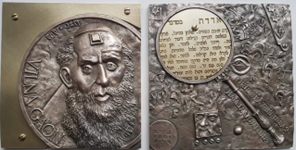
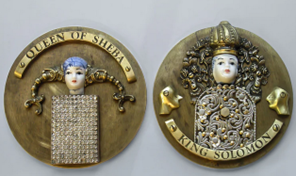
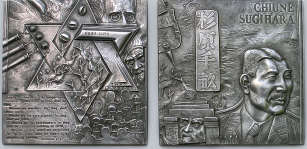
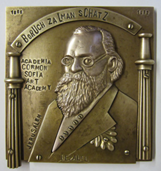
Many of his works on public display remind people of various aspects of Jewish civilization that once existed in Lithuania. They have been seen by thousands of Lithuanians and fill in gaps in the country’s memory. As the newspaper Anykšta reported in June 2023:
When Anykšta asked how the Jewish theme appeared in R. Inčirauskas’ work, both he and his wife, who is also a VDA professor Zita Inčirauskienė, laughed: “We are not really Jews.”
The Incirauskas couple, complementing each other, decided that they should turn to Jewish subjects as a response to the forgotten tragedy of the Telšiai Jews.
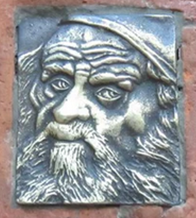
One of Prof. Inčirauskas’ creations for Telšiai was an image of Rabbi Eliezer Gordon, the founder of the Telshe Yeshiva. From 1875 until 1940, that was the world’s leading rabbinical seminary. The image of Rabbi Gordon is on the outer wall of the renovated building which once was the home of the Telshe Yeshiva. Several other of the professor’s works are displayed in the building, which is now a museum of Jewish heritage. On the building of the Yavne school in Telšiai, which was the world’s first advance high school for Jewish girls, there is another of his works with bullet holes as a reminder of the 500 innocent students of the school who were shot.
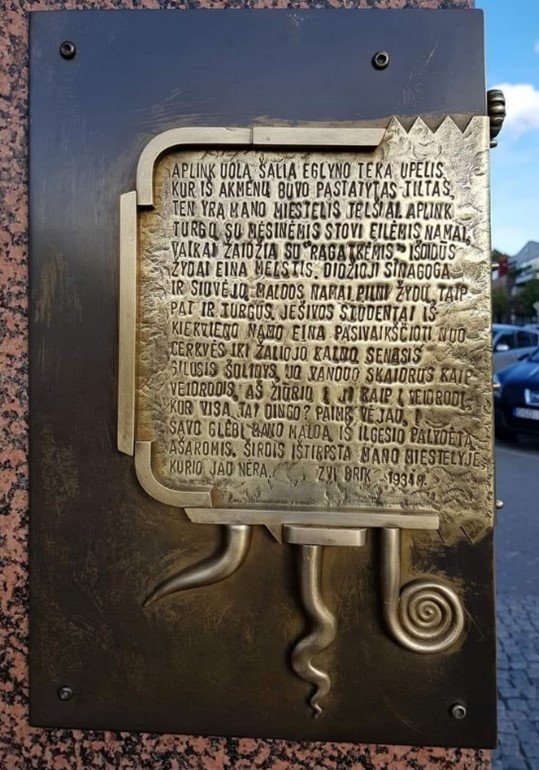
And in Telšiai’s market square, at the site of the public well, there is a plaque he created with the Lithuanian text of a local Jew’s poem about the Jews from all walks of life who once could be seen in and near the market square.
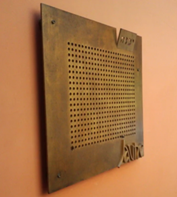
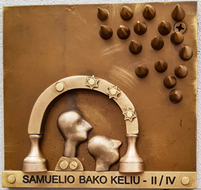
In Vilnius, Inčirauskas’ works greet visitors to the Samuel Bak Museum.
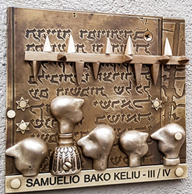
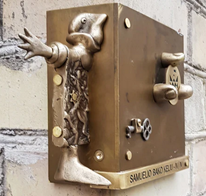
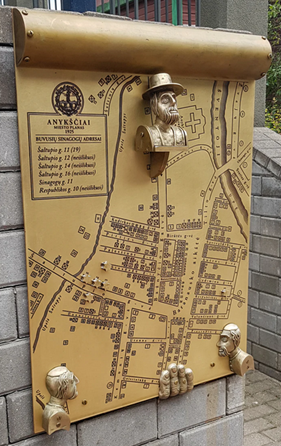
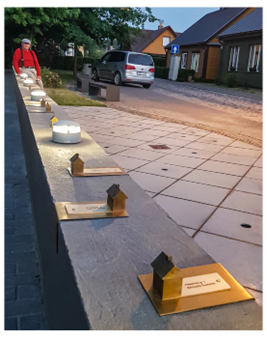
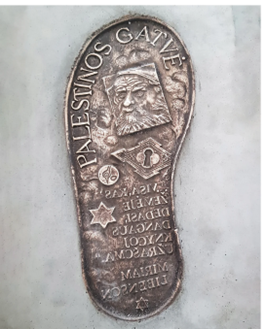
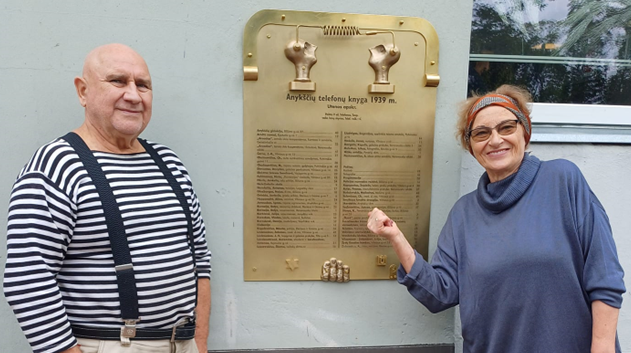
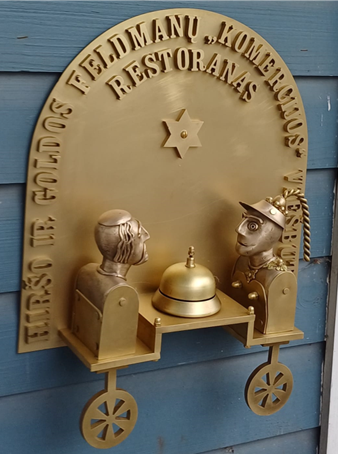
Now, he is engaged in a project to use his artwork to tell the story of the Jewish community of his native Anykščiai. Among other works, there is a plaque that provides a detailed map of the town’s Jewish quarter. In his June 2023 interview with the Anykšta newspaper, the professor said, “I have done considerable work in Telšiai on the theme of the Jews, and I wanted to do something in Anykščiai, my hometown, too. Especially because there are people here who are very seriously engaged in the study of Jewish culture [such as] museum expert Tautvydas Kontrimavičius [and] the writer Rimantas Vanagas.” Inčirauskas is also planning a memorial to gruesome murder of the Anykščiai Jews, which will have the same name as Vanagas’ book, Žali žydų plaukai [Jews With Green Hair]. [This book examines the Holocaust in Anykščiai from different perspectives in the hope of promoting healthy, critical discussion.]
Every day, Professor Inčirauskas’ work on the subject of Lithuanian Jews reminds Lithuanians that Jews once had a significant presence and role in the country. This is the basis upon which the Rokiškis Regional Museum decided to confer upon him the 2024 Ruvin Bun Award.
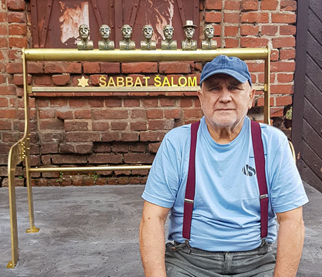
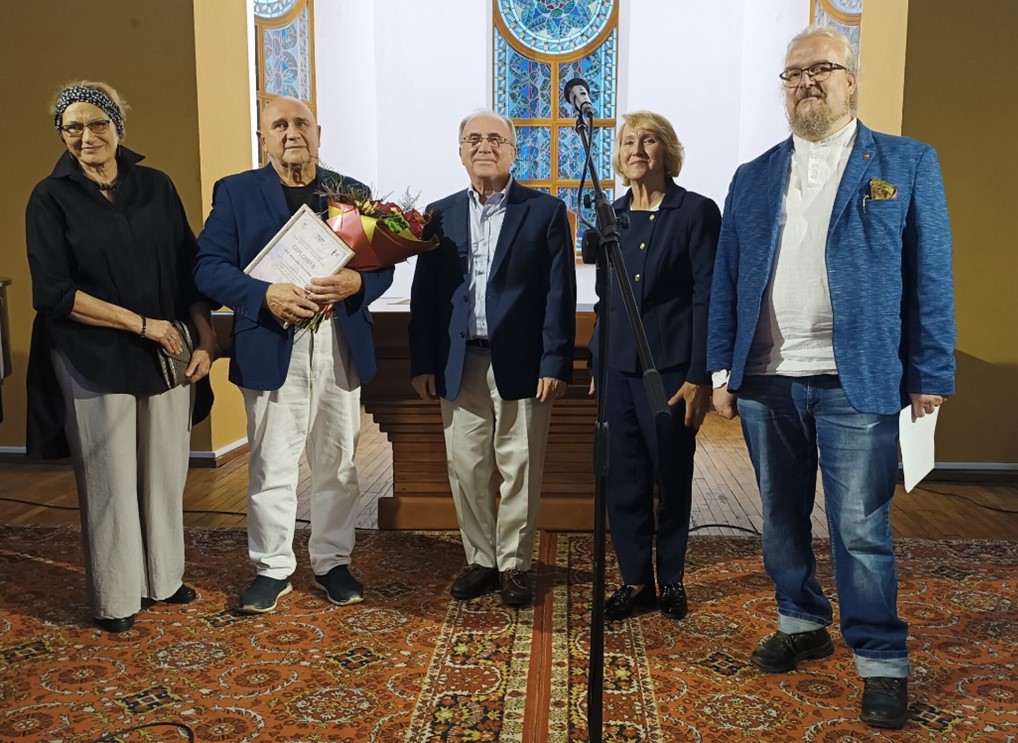
The September 25, 2024, Ruvin Bun Award ceremony was held in Prof. Inčirauskas’ native town of Anykščiai. From left to right: Prof. Zita Inčirauskienė, Prof. Romualdas Inčirauskas, Philip Shapiro, Aldona Shapiro, and Rokiškis Regional Museum Deputy Director and Historian Giedrius Kujelis.

